There are lots of days where I don’t really want to pick my camera up. At times, I just don’t feel like I have the energy to go out somewhere and try to find a new, unique subject to shoot and plan composition and angles. Maybe the lighting feels off, I’m in a place I’ve already shot several times before, or maybe I’m just not in the mood. One thing I like to do when I’m feeling a bit of creative block in my photography is to take a step back and do something with low stakes.
Some time ago, I remember seeing a trend going around online called ‘texture hunting,’ where people would go around with a lump of clay, a kneaded eraser, or other similar moldable material. They find a surface with a lot of texture, like tree bark or exposed brick, press the clay onto it to create an imprint, then, using ink, would stamp the textures into a notebook. Seeing that trend got me thinking about just how many different textures and patterns exist around us everywhere we go.
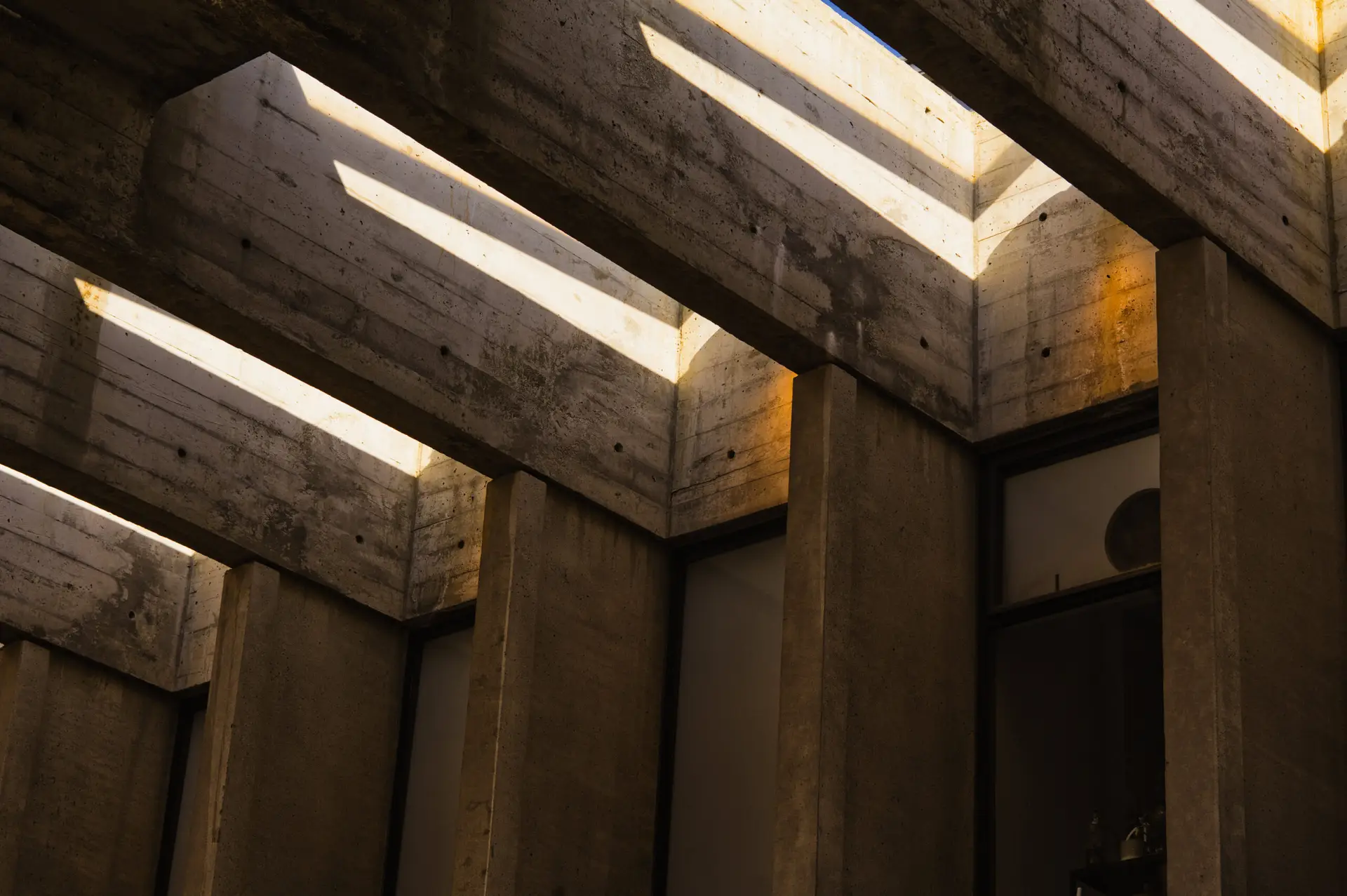
Now texture photography is nothing new, but it’s something that I find to be really helpful in instances where the creative juices just aren’t flowing, and I feel like I have a slightly different approach than I’ve seen online. Often, texture photography, much like the online trend, focuses on small subjects and using macro lenses to bring out every tiny detail. I like to look a bit bigger. Instead of getting my camera close to a small object, I like to use a telephoto lens to bring a further object closer to me. With my camera, I can isolate one small section of a much larger subject, cropping out everything else, and creating ambiguous space. The tight framing can make it difficult to identify what exactly an object is, its size, and what angle it’s being shot from, forcing the viewer to instead focus solely on the lines and shapes that they can see.
In my last post I talked a bit about the brutalist architecture of SFU’s Burnaby campus, which happens to be an excellent source of patterns. The straight, angular concrete creates plenty of bold shapes and, under the right lighting, incredible shadows. In some ways, it’s the perfect place to be when I’m feeling burnt out, because I can point my camera in practically any direction and find an interesting texture to shoot.
Hunting for textures can be a lot of fun. It can take some of the stress and pressure out of photography, and is an easy way to get out and take photos even when I’m feeling unmotivated. The best part is that sometimes once I take that first step out the door with my camera, a wave of motivation hits me. Some of my favourite photos are from days where I wasn’t initially feeling up for it.
At the end of the day, art should be fun. Your hobby should be something that you enjoy, and if some days you don’t feel up to a certain aspect of it, you can take a break from that part. A writer might set aside a big story to write something short, a painter might put down their oil paints to do a quick sketch, and I go out and shoot textures.